LIVE
Summary
Iran’s Foreign Ministry spokesman said on Monday that Tehran was reviewing Washington’s latest proposal and that messages between the two countries continued through mediators.

Summary
Iran’s Foreign Ministry spokesman said on Monday that Tehran was reviewing Washington’s latest proposal and that messages between the two countries continued through mediators.
INSIGHT
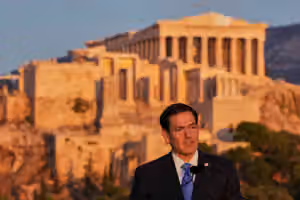
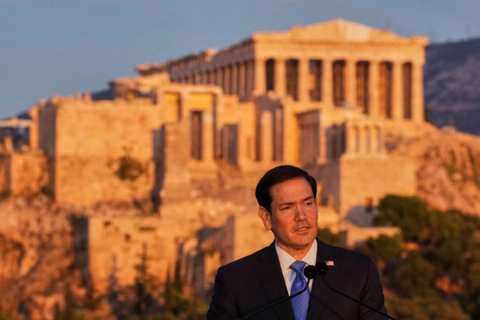
Tehran seizes on Rubio’s Xerxes remarks to champion a past it once disparaged
Marco Rubio’s invocation of ancient Persia in a speech championing Western power has given Tehran an opportunity to present itself as a defender of Iranian identity, even as critics recall the Islamic Republic’s own record of disparaging pride in the country’s pre-Islamic rulers.
Iran warns of wider risks as regional attacks intensify
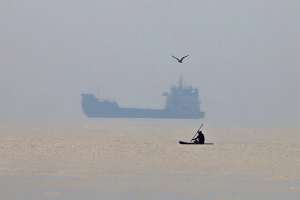
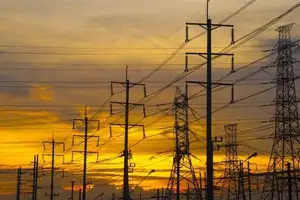
Two commercial vessels were attacked near Oman on Sunday, two Indian sailors were left missing, and a drone struck an Iranian Kurdish opposition camp in Iraq on Monday, as Iranian officials warned that a renewed war could put regional infrastructure at risk.

Operation Economic Outcast

ANALYSIS
Can US sanctions derail Iran’s China trade route?
Washington’s new sanctions are unlikely to stop a China–Iran freight train at the border, but may make the route Tehran has turned to under pressure from the US naval blockade costlier and less reliable.
ANALYSIS
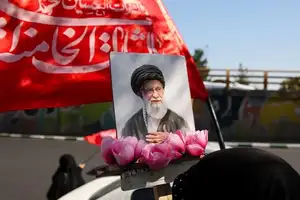
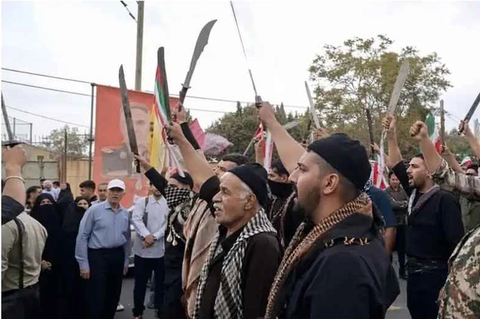
Machete-wielding men at IRGC-backed rally revive scrutiny of crackdowns
Footage and images showing men wielding machetes and swords at an IRGC-backed rally in the central Iranian city of Isfahan have renewed scrutiny of the Islamic Republic's history of using unofficial armed groups to suppress anti-government protests.
Nuclear Program
ONE-ON-ONE
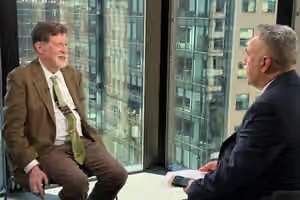
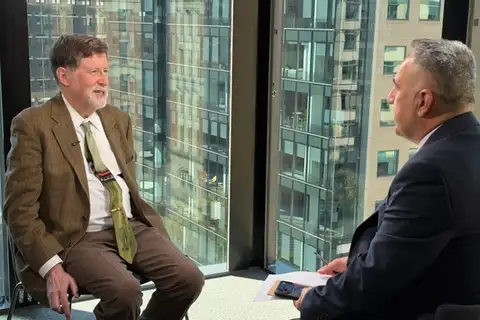
Russia fears a pro-Western Iran more than an Iranian atomic bomb
Moscow would rather live with an Iranian nuclear weapon than with a change of regime in Tehran, senior Russia scholar Mark Katz told Iran International, arguing that a pro-Western Iran is the outcome Russia actually fears.
Iran detains football coach over child sexual abuse allegations
Iranian judicial authorities have detained a football coach in the western city of Divandarreh after five people filed complaints alleging sexual abuse connected to a youth football club.

Iran-linked actors used US AI for fake journalism, military targeting
Iran-based and Iranian-linked actors have used two leading US artificial intelligence platforms to place articles under fake journalist identities and help develop targeting recommendations against US naval forces, according to separate investigations by OpenAI and Anthropic.

Crackdown on Dissent

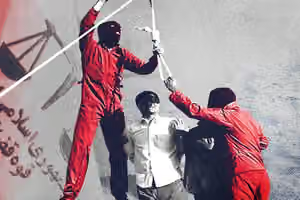
Iran executed over 2,000 people in past year, rights group says
Iran executed at least 2,003 people over the past year, a 29% increase from the previous period, rights group HRANA reported Friday, as UN experts warned that Tehran uses capital punishment to silence dissent and instill fear.
OPINION
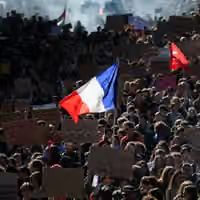
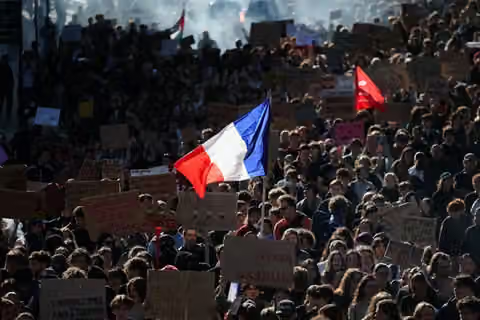
J’Accuse! Tehran defends French students, silences Iranian youth
Tehran has seized on protests by French high school students to accuse Paris of repression, seeking to obscure its own treatment of young Iranians by turning the language of human rights against one of its Western critics.
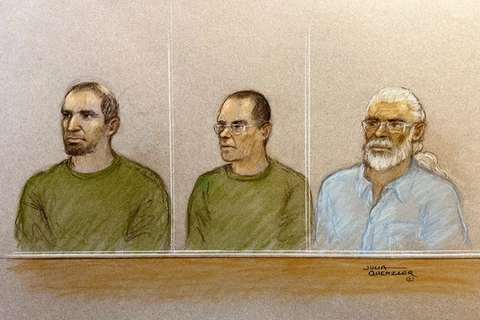
UK court hears how alleged Iran spy operation targeted Iran International
Men accused of spying for Iran exchanged information about Iran International’s offices and presenter Kambiz Hosseini, while one defendant discussed money transfers and his legal troubles with contacts in Iran, a London court heard.
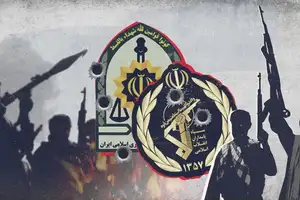
Iranian security forces face wave of deadly attacks in restive southeast
At least five Iranian military and police personnel were killed and several others wounded in four armed attacks across southeastern Iran within 24 hours, local rights group Haalvsh reported, as violence targeting security forces continued across the area.

In Case You Missed It

Eye for Iran Podcast
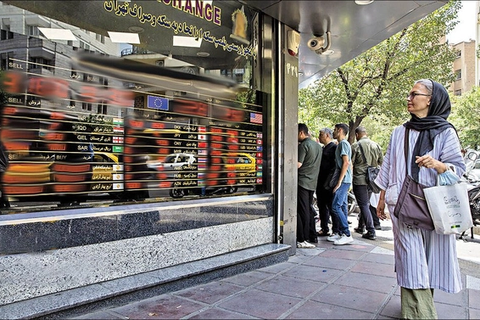
Tehran Insider
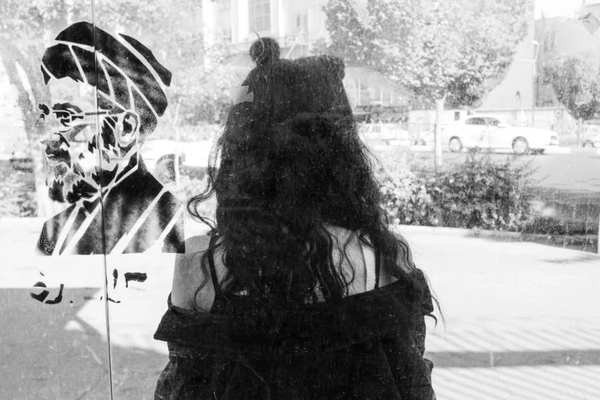
They can erase you without arresting you
One morning your phone simply stops working. There is no warning, no explanation and often no piece of paper telling you what you have done. Welcome to the Islamic Republic of Iran v.3.1.
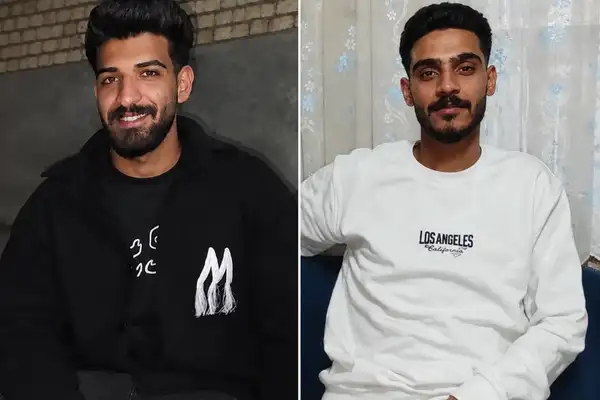
I stayed awake for them
I wrote what follows just after midnight, unable to sleep at the thought of more executions at dawn. It is now early morning. The news has hit hard. I can't rewrite these words now. They belong to the hours before that hope disappeared. I leave them as they are.