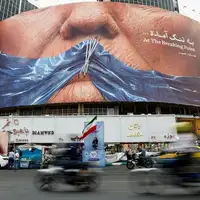
Screen grab from a YouTube video by popular Iranian creators Kouman
Changes to how YouTube presents ads has dealt a sharp blow to Iranian content creator revenues while bringing mercifully fewer ads to ordinary viewers of the banned but wildly popular video app.
Despite being officially blocked in Iran, YouTube has in recent years grown into a major source of both entertainment and dollar-based income in a country where cultural censorship and economic malaise are deep.
Persian-language creators inside the country and in the diaspora built large audiences, while viewers relied on VPNs to access content largely unavailable on domestic platforms.
Aria Keoxer, a veteran YouTuber with more than 750k followers, said in a video this week that while some videos previously earned up to $11 per thousand views, that figure has now fallen to around $1.
“The game is over for Iranian YouTubers,” he said.
Users happy
For many ordinary users, however, the same shift has been met not with anger but with relief. Most viewers were never part of YouTube’s advertising economy.
Their concern is access and usability, not revenue, and many on social media describe the experience as unexpectedly positive.
“Not showing ads for us Iranians is basically free YouTube Premium,” one X user posted with a tinge of irony. “Looks like we’re seriously moving forward by going backward.”
In Iran, YouTube Premium exists largely in theory. Subscribing requires foreign payment methods, and even when technically possible, the dollar-priced monthly fee can be prohibitively expensive.
Even for those who could afford it, payment remains nearly impossible because of sanctions and Iran’s exclusion from international banking systems.
Lost opportunity
Despite the ad-free relief for viewers, YouTube’s role as a source of income remains central.
The platform had become a rare outlet for Generation Z creators, artists constrained by political and social restrictions, rural families sharing local culture and cooking, and entertainment and political producers sidelined by state television.
For many, it was one of the few ways to earn in hard currency.
YouTube’s tighter enforcement now appears to undercut earnings even for creators operating abroad. Some popular online shows, including the Eternal Love reality show, have attracted millions of viewers, but their revenue streams are increasingly fragile.
Domestic platforms such as Aparat offer revenue shares of around 50 to 70 percent, but payments are made in rials, leaving them unable to compete with YouTube’s dollar-denominated income.
Solution: politics
Experts have urged creators to adapt by producing English-language content, targeting diaspora audiences, or securing domestic and foreign sponsors. Some YouTubers say they plan to shift content to other platforms, including Kick.
The technology website Zoomit argued that the loss of profitability could remove “one of the last justifications policymakers had for maintaining the platform’s filtering—those who viewed it as a source of foreign currency revenue.”
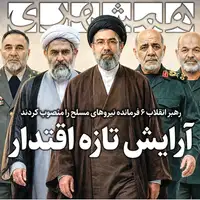
The daily Ham-Mihan, however, argued that even lifting the filter would not resolve creators’ problems, as sanctions and economic restrictions would remain.
“Companies like Adidas or Nike, which have no official presence in Iran, are unaffected by whether YouTube is filtered or not, because Persian-language YouTube users do not have free access to these brands to make purchases,” the paper wrote.
“What could help YouTubers and users in the long term is the lifting of sanctions and the presence of reputable brands in Iran.”